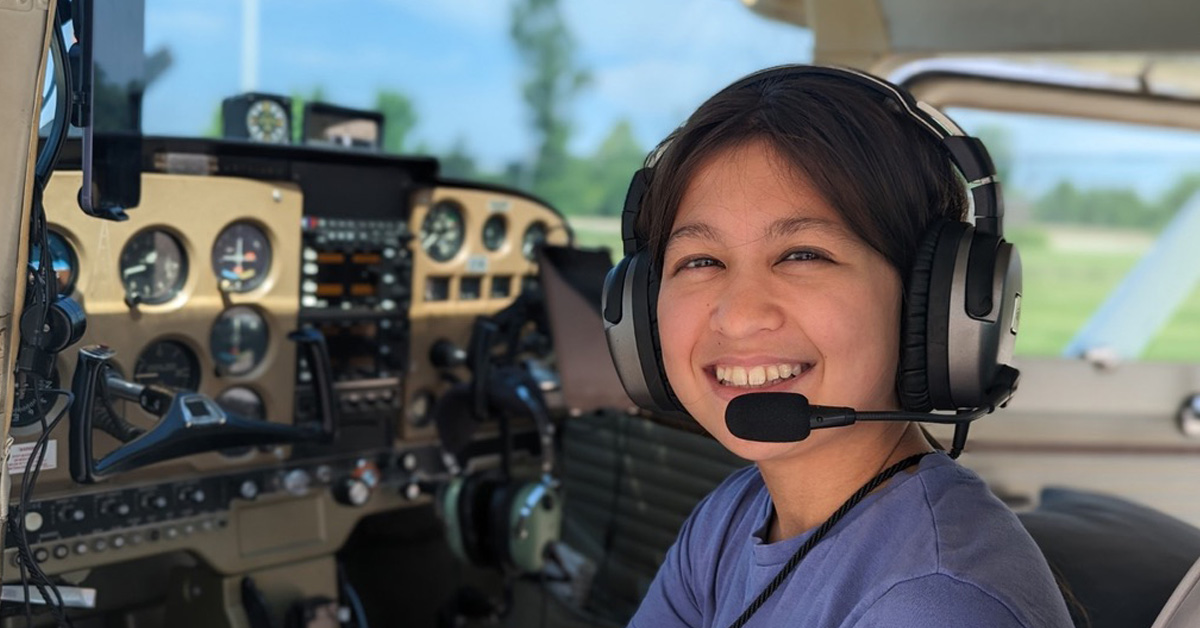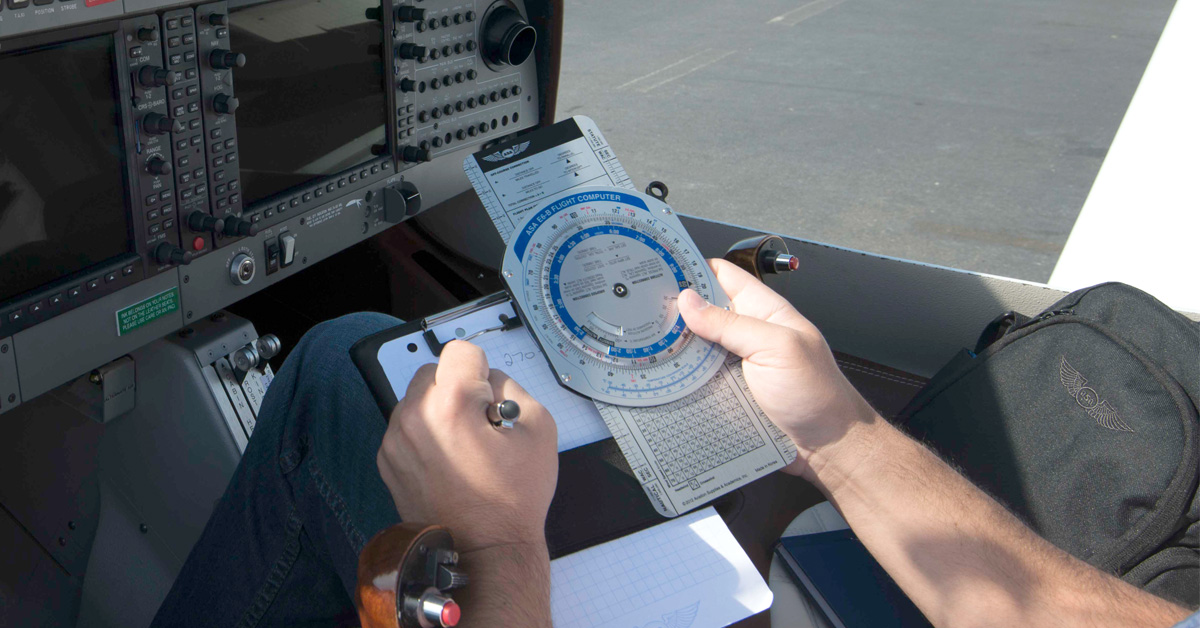

For many pilots working toward an airline career, becoming a Certified Flight Instructor (CFI) is one of the most effective ways to build flight time and experience.
As a CFI, you’re paid to teach while logging hours and sharpening your skills in the process. Flight instructing keeps you flying consistently and strengthens your understanding of aviation. It also builds valuable soft skills like communication, leadership, and decision-making, all of which airlines look for in new hires.
Other hour-building options do exist, such as banner towing, ferry flights, aerial survey, or sightseeing tours. However, these often come with added requirements, limited availability, or seasonal work. In contrast, instructing is usually more accessible and provides steady opportunities to grow both your flight time and professional network.
Of course, CFI is not the only path. If you have a guaranteed flying job lined up—like with a charter company or aerial patrol—take it. The important thing is to stay active and keep flying. This advice is simply a solid starting point for many new pilots who might not have another clear option yet.
Del Kienholz, California Aeronautical University‘s Program Director of Aeronautics advises, “The only way to fail is to do nothing. If you do nothing, nothing will come home to roost!”
The goal is to gain experience safely and efficiently. Becoming a CFI remains one of the most proven ways to reach that next step, but no matter which route you take, stay current, stay focused, and don’t lose momentum.
Guest blogger Bonnie Martin, PhD, is the Director of Graduate Services at California Aeronautical University in Bakersfield, California, where she works to connect students to meaningful careers. You can find more information about CAU at calaero.edu.
Featured image by ZeroThree at stock.adobe.com.