
To date, uncrewed aircraft systems (UAS) have faced strict limits when flying beyond the visual line of sight (BVLOS) of the operator. Previously, BVLOS actions required individualized exemptions and waivers to existing regulations. In other words, anyone wanting to put UAS to work had to get special permission every time, which made the whole process complicated and slow. You may have noticed that drone delivery is only available in select locations, this is in large part because of the paperwork and approvals needed for each locale. With a notice of proposed rulemaking (NPRM) published August 7, the skies may be opening for UAS business.
With its flexible, performance-based approach, the proposed rule—called Normalizing Unmanned Aircraft Systems Beyond Visual Line of Sight Operations (FAA-2025-1908)—aims to spark innovation and expand BVLOS UAS operations, both commercial and recreational, at low altitudes in the national airspace system (NAS). In addition to recreational flying, the new rule could open the door for a variety of operations, such as delivering packages, helping farmers monitor crops, surveying land from above, and supporting community efforts (like wildfire recovery, wildlife protection, search and rescue, and public safety), as well as UAS flight training, demonstration, and testing.
The FAA used previously granted exemptions and waivers to help create a repeatable, scalable regulatory framework that allows for wide-scale adoption of UAS technology. In addition to integrating UAS into the NAS, the rule provides a predictable and clear pathway for operators to expand into this space safely. UAS infrastructure is to be established, including automated data service requirements, such as UAS traffic management (UTM), offering clarity for manufacturers producing UAS, as well as service providers.
As with all NPRMs, the proposed BVLOS rule will first be open for a comment period, which, in this case, is until October 6, 2025. After that, the FAA will update and revise the proposed rule based on feedback and publish the final rule in the Federal Register. (Confused about this process? Check out our previous post, “Creating the FAR/AIM: How a Bill becomes a Regulation” for a behind-the-scenes look.)

Excited and looking for ways to enter this rapidly expanding area in aviation? Kevin Jenkins’s The Droner’s Manual will help you navigate drone types, the skills required to operate your drone, and how to choose the drone that’s right for you. Want to deepen your understanding of drone operations? Spanning topics from FAA regulations and the national airspace system to weather conditions that affect flight, David Ison’s The Complete Remote Pilot is a go-to resource for building knowledge and confidence. Just starting out and looking for an introduction to the drone zone? Patrick Sherman has your back in Getting Started with Drones and Model Airplanes.
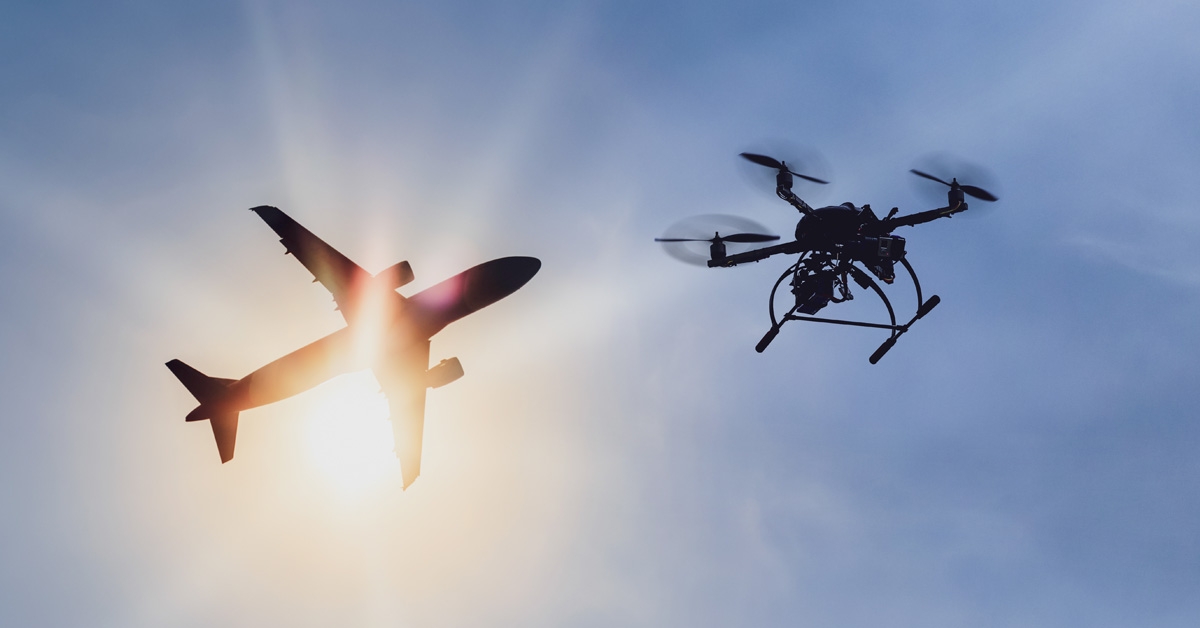
Featured image by Golden Sikorka at stock.adobe.com.